Samsung, SK hynix and Micron Explore Shared Robot Charging Standards for Fabs
- Cargo
- Machine Learning
- Shipped
- Shipper
- Etiido Uko
- Readers
- 770
The memory makers are exploring shared charging specifications to simplify mixed robot fleets and support factory automation across semiconductor fabs.
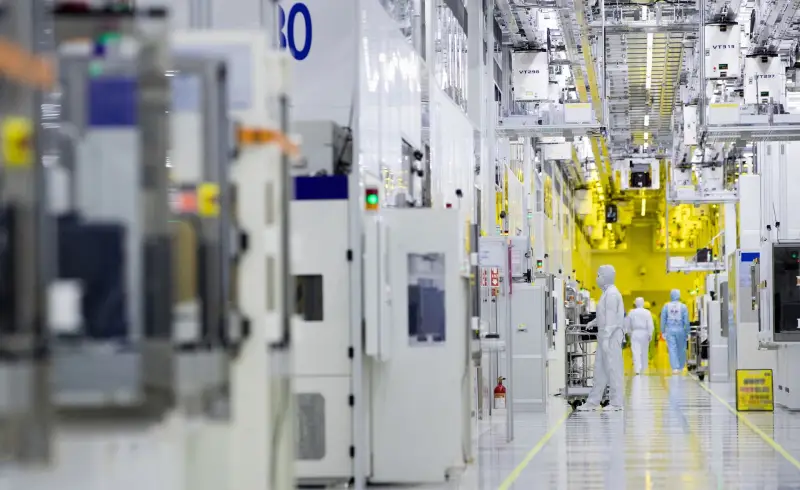
Robot charging is becoming a factory planning problem for Samsung Electronics, SK hynix and Micron. The three memory makers are reportedly exploring common specifications that would let robots from different suppliers use compatible charging equipment. The work is at an early stage, but it targets a practical obstacle to expanding automation: every robot model can bring its own batteries, charging stations and maintenance needs.
The companies have formed a consultative group, with the Semiconductor Equipment and Materials International (SEMI) industry association and other stakeholders involved. The effort is intended to define technical requirements that robotics and charging equipment suppliers could build into their products. The goal is not simply to make charging plugs fit. The specifications under consideration include battery requirements, charging stations, communication protocols, connectors and battery management systems.
Why charging infrastructure matters
Semiconductor fabs already automate many operations, but workers still handle tasks that existing systems cannot readily perform. Moving materials between floors and unpacking products are among the examples in the report. Older facilities can be harder to automate because they often have fewer built-in material-handling systems and may rely on manual carts to move wafer containers.
Mobile robots offer a way to automate some of this work without major renovations or extensive fixed transport systems. The potential fleet could include autonomous mobile robots that carry materials, mobile manipulators combining a moving platform with a robotic arm, and humanoid machines intended for more complex handling. The source describes these as possible tools for remaining manual tasks, rather than specifying which models the chipmakers plan to deploy.
The infrastructure challenge grows when a facility uses robots from multiple suppliers. Different designs may use distinct batteries and charging equipment, leaving a fab to install and maintain separate stations for each model. That adds equipment and upkeep costs, while taking up floor space that could be used for production or other operations. Common specifications could allow mixed fleets to share charging stations and give fabs more freedom to choose robots based on the task.
From compatible chargers to production scheduling
The first step would be compatibility among robot models: shared requirements for the physical connections and electronic systems involved in charging. If a facility can use the same charging infrastructure across several types of robot, it may be easier to add units or change suppliers without rebuilding its charging setup.
A later stage could connect charging information to a fab’s manufacturing execution system (MES), which coordinates production activity. Data about battery levels and robot availability could help the system plan charging around work schedules. For instance, a robot could recharge during a quieter period or while another machine handles an urgent material transfer. That coordination becomes more relevant as fleets grow and robots serve many of the individual processes involved in chip production.
This integration is a potential direction, not a completed capability. The participants are still working out which interfaces and components to standardize, and are consulting specialists in robotics and smart factories. The report does not describe a finalized specification, deployment timeline or confirmed list of compatible robots.
The chipmakers are mainly buyers of industrial robots, although Samsung also has an established robotics business. They are therefore seeking requirements that equipment makers can adopt, with suppliers and other industry participants expected to contribute to development and validation. A standard will depend on those manufacturers finding the requirements practical across different robot designs and charging systems.
Why competitors have a shared interest
Industry participants reportedly discussed common robotics standards about a decade ago, but made limited progress. The renewed effort comes amid rising demand for AI related memory and advances in industrial robotics. Building new fabs takes years, so manufacturers also have reason to increase output from existing facilities through automation and productivity improvements.
Samsung, SK hynix and Micron compete in memory, yet incompatible charging systems pose a similar operational problem for each. A common approach could reduce friction for the chipmakers and create a larger market for suppliers willing to build to shared requirements. The three companies’ broad manufacturing operations give the effort commercial weight: if their facilities adopt compatible systems, robotics vendors have a stronger reason to support the specifications.
The potential effect reaches beyond charging. Common interfaces can make it simpler to deploy and manage fleets assembled from different suppliers. If charging data is eventually coordinated with production systems, fabs could schedule robot work and downtime with better visibility. These steps could support more automated operations, though they do not establish that a factory can run without people or that the proposed standards will be adopted.
Samsung and SK hynix have both outlined ambitions to develop autonomous semiconductor fabs by 2030. Shared charging requirements address one relatively narrow piece of that effort. The next useful indicators will be whether the consultative group settles on concrete technical requirements, whether robot and equipment makers implement them, and whether fabs can demonstrate that mixed fleets reduce operational friction in practice.