NVIDIA DSX Connects AI Factory Power Planning With Grid Operations
- Cargo
- Machine Learning
- Shipped
- Shipper
- Vladimir Troy
- Readers
- 423
NVIDIA DSX links grid, facility and compute planning, with partners targeting more flexible power use and higher compute output.
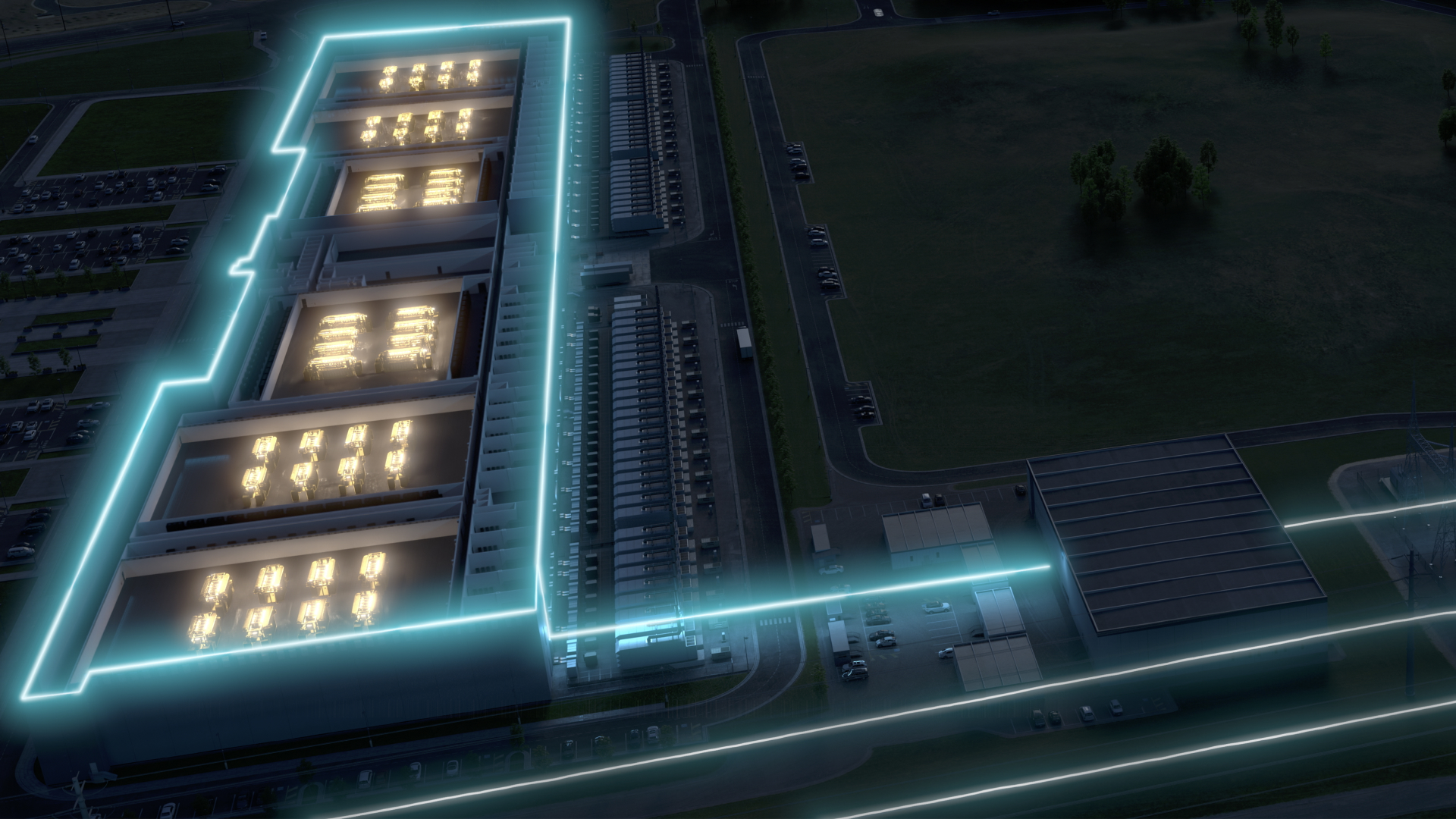
AI data center growth is running into a power infrastructure bottleneck, and NVIDIA DSX is designed to address one source of delay: the separate planning of the grid, data center facility and computing systems. The platform brings these layers into a shared workflow, from substation to server rack, for simulation, operations and power management.
The scale of the constraint is substantial. More than $300 billion in equipment is backlogged, while projects totaling over 200 gigawatts are waiting in U.S. grid interconnection queues. Those figures describe a system in which access to power depends on equipment availability and coordination as well as demand. When grid connections, facility design and compute deployment proceed in separate systems, mismatches can lead to delays, risk and capacity that cannot be used as planned.
One model for grid, facility and compute
DSX combines simulation, operational coordination and resource management. NVIDIA DSX Sim and SimReady assets from energy manufacturers let engineering teams model the grid, substation and AI factory together. They can evaluate generators, switchgear, power systems and cooling before construction, making it possible to assess how those components work as a system during design.
That shared view matters because the power supply and the computing load affect each other. A data center’s demand depends on the work its systems are running, while the available supply can vary with grid conditions and onsite generation. DSX Flex is intended to coordinate AI factory demand with those conditions, allowing facilities to adjust operations and act as more flexible grid assets instead of fixed loads.
DSX MaxLPS and DSX Exchange address compute efficiency and information sharing. MaxLPS is intended to increase compute delivered per watt. Exchange is designed to securely share signals among compute, networking, energy, cooling and operations systems. The practical aim is to give operators a more coordinated view of resources that are often managed in separate tools.
Partners focus on power systems and facility design
GE Vernova is bringing grid-to-facility and rack power expertise to DSX. The stated goal is to help customers make better use of constrained power while increasing compute and token output, sustainability and grid reliability. The collaboration reflects the platform’s broad scope: the electrical path from the grid connection through facility equipment to the rack has to support the workload as a whole.
Hitachi Energy’s battery energy storage system has qualified as NVIDIA DSX Ready. The designation helps customers identify infrastructure that meets applicable DSX reference architecture design requirements for resilient, reliable and scalable AI factories. Battery storage can be part of how a facility manages power, though the qualification alone does not specify how any particular site will operate or what performance it will achieve.
Schneider Electric, AVEVA and ETAP are working on validated power and cooling reference architectures for NVIDIA Vera Rubin, alongside an AI factory digital twin built with NVIDIA Omniverse. AVEVA’s engineering software, NVIDIA SimReady assets, OpenUSD and Omniverse are intended to connect engineering simulations with live operational data and AI-driven optimization across AVEVA, Schneider Electric and third-party systems.
The digital twin approach links design decisions to later operation. Teams can use models to examine how equipment and workloads interact, then bring operational data into the same broader workflow. The companies say these capabilities support data center design, simulation, operation and optimization across the facility lifecycle, with energy efficiency, workload performance and time to token as target outcomes.
Grid flexibility and measured compute gains
Siemens Energy is developing a reference design for resilient, scalable and grid-aware power infrastructure spanning generation, transmission and distribution. The design is aligned with NVIDIA’s DSX Vera Rubin AI factory design. Siemens Energy is also exploring NVIDIA RAPIDS, Metropolis and Isaac Sim for its Noedra digital twin platform, evaluating whether these technologies can improve infrastructure monitoring, identify emerging risks and help prevent unplanned outages. Those uses are under evaluation; the collaboration has not reported measured results for them.
Phaidra has integrated DSX Flex, DSX Max-Q and DSX Exchange into its self-learning agents to optimize cooling and power allocation. The company reports that this approach can deliver about 10% more compute within the same power envelope, while improving grid flexibility and maximizing tokens per watt. That figure is a specific reported outcome, and the available details do not describe the evaluation conditions or how the result varies across facilities.
Emerald AI has integrated its Conductor platform into DSX Flex so utilities can access underused grid capacity. The approach is modeled to unlock up to 100 gigawatts on the existing U.S. grid. That is a modeled potential, not a report that this amount of capacity has already been made available.
What to watch as deployments develop
DSX’s central proposition is coordination: model the electrical infrastructure and facility before construction, then connect power conditions to workload and cooling operations. Its impact will depend on whether participating systems can exchange reliable data and whether operators can adjust workloads in ways that fit both computing needs and grid conditions.
The partner examples span reference designs, digital twins, energy storage, workload control and software integration. They show the breadth of the platform’s intended role, but most describe ongoing development or planned capabilities. The clearest reported performance figure is Phaidra’s approximately 10% compute increase within the same power envelope; Emerald AI’s 100-gigawatt figure remains modeled potential. As deployments mature, those distinctions will matter when assessing how much usable compute DSX can help facilities deliver from constrained power.