Megaspeed Faces Criminal Probe Over Nvidia Chip Shipments to China
- Cargo
- Machine Learning
- Shipped
- Shipper
- Oliver Haslam
- Readers
- 790
A joint Justice and Commerce inquiry follows reports that Megaspeed received Nvidia chips after being added to the company’s no-sell list.

A criminal inquiry puts chip shipments under scrutiny
The case against Megaspeed now includes a criminal investigation, expanding a Commerce Department inquiry that began in 2024. The Justice and Commerce departments said they would pursue any criminal conduct they find. Their statement did not describe charges against the company or identify specific suspected offenses.

The investigation concerns whether Megaspeed helped route advanced Nvidia processors to China in breach of export restrictions. That question turns on the movement of hardware through intermediaries, the destinations disclosed to suppliers, and what each company knew about the chips’ eventual use. Those details will matter as investigators examine whether shipments were authorized and how they were handled after delivery.
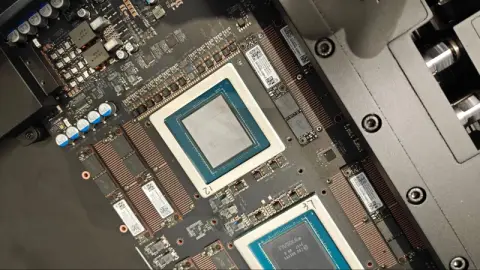
Megaspeed was placed on Nvidia’s no-sell list in June 2025, according to the departments’ statement. A report by The New York Times says a Malaysian subsidiary continued receiving large Nvidia chip shipments for eight months after that date. The account alleges that Blackwell and H200 processors, both subject to export controls, reached a company called Speedmatrix before being transferred to China, either through third parties or directly from Nvidia.
Nvidia has said it received Commerce Department permission to ship components to Megaspeed. The company still lists Megaspeed as a cloud partner. The available accounts therefore leave a key question unresolved: what shipments were covered by the reported permission, and did the components ultimately reach the destinations that the permission allowed?

How the investigation developed
Commerce began examining Megaspeed in 2024 over possible export violations. By May 2025, it had asked Nvidia for sales data related to Megaspeed. Officials visited the company the following month and interviewed Alice Huang, then an executive. After that visit, the Justice Department took the lead in the inquiry.
Huang has since left Megaspeed. She has also been linked in reports to Jensen Huang, Nvidia’s former chief executive, who resigned earlier this month. These personal claims have drawn attention to the case, but they don’t establish whether chips were diverted or whether Megaspeed broke export rules. The investigation’s central questions concern shipments, authorization and the conduct of the companies involved.
Allegations, denials and the evidence still needed
Megaspeed has faced allegations that it served as a front for moving AI hardware into China. A report in October 2025 claimed the company helped transfer roughly $2 billion worth of Nvidia chips there by importing processors and re-exporting them. Megaspeed says it complies with all laws and that Huang is no longer employed by the company. The Chinese government has rejected claims that Huang was a state spy.
The reported shipment value describes an allegation, not a finding by a court. Establishing what happened would require investigators to trace the hardware through suppliers, subsidiaries and intermediaries, then compare those movements with shipping records and the terms of any export approvals. The record available so far does not settle how much equipment reached China, who arranged each transfer, or what the relevant parties knew.
The inquiry also raises a practical challenge for chip makers and cloud providers: hardware can pass through multiple firms and locations before reaching its final user. A supplier’s sales records may show an authorized customer, while later transfers determine where the processors end up. Checking end users and documenting permitted routes are therefore central to understanding whether controls were followed.
A wider pattern of chip-smuggling cases
The joint statement cited 17 defendants charged across six investigations involving chip smuggling, and said more cases could follow. In a separate case, a California man was arrested over allegations that he smuggled more than $300 million in restricted Nvidia chips to China. Prosecutors say those chips were routed through Malaysia and Singapore using false paperwork; the man faces up to 20 years in prison if convicted.
Those cases show that investigators are pursuing alleged diversion through regional shipping networks as well as direct sales. They don’t establish that Megaspeed committed a crime. For this case, the next concrete indicators will be any charges, new details about the shipments and a clearer account of how Nvidia’s reported export permission applied to the hardware involved.