Explosive-Filled Game Console Injures Two in Brazilian Electronics Shop Attack
- Cargo
- Machine Learning
- Shipped
- Shipper
- [email protected] (Stephen Warwick)
- Readers
- 675
A console delivered for repairs exploded in a São Paulo-area shop, injuring two people. Investigators suspect a rival businessman arranged the delivery.
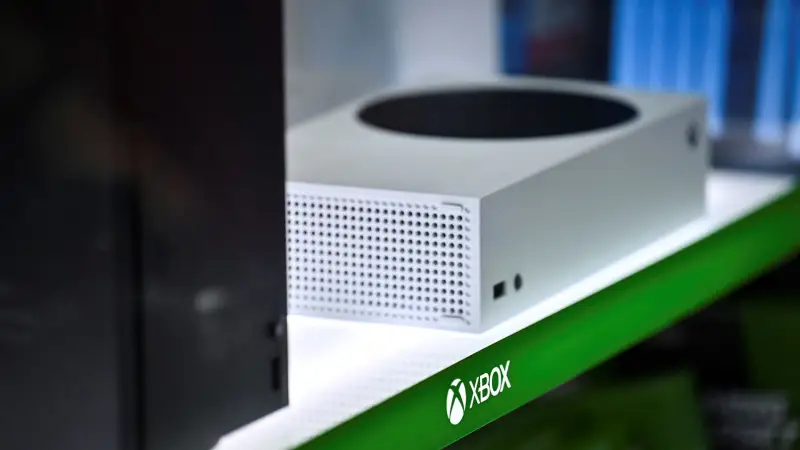
An explosive device disguised as a game console turned a routine repair-shop delivery into a suspected attempt to kill a competing business owner. The blast injured two people and badly damaged an electronics shop in Santo André, in the São Paulo metropolitan area. Investigators say the console contained two explosive charges, though only one detonated.
The attack took place on October 23, 2026, at about 5:30 p.m. A delivery rider brought the console to the shop with a message that it had been sent for modifications requested by a customer. The rider, who worked through a delivery app, did not know what the package contained.
The shop owner also had no reason to suspect a danger. He placed the console in a drawer and continued working. It later ignited and exploded, injuring him and a friend who was with him. Video of the blast was recorded at the shop.
One of two charges detonated
Investigators found two explosive charges inside the console. Both were described as being of the same magnitude, but only one went off. That difference may have limited the damage and injuries; the available account does not specify how much additional harm the second charge could have caused or why it failed to detonate.
The amount of explosive material led investigators to suspect that the device was meant to kill the shop owner. That is an assessment of the suspected intent, not a confirmed account of what the person who arranged the delivery intended. The investigation centers on how the console was prepared, who sent it, and whether the delivery was designed to make the package appear ordinary.
The choice of a game console helped present the parcel as a plausible item for an electronics repair business. The cover story also gave the rider a routine explanation for dropping it off. The rider’s lack of knowledge is significant to the account: the package moved through a commercial delivery service, but the person carrying it was not described as part of the suspected plan.
Investigators point to a business rivalry
The main suspect is Everton Yoshizumi Lima, a businessman who reportedly owns other electronics shops in the area, including two on the same street as the recently opened target store. Investigators suspect that competition between the businesses supplied a motive. The newer shop had promoted itself with flyers and social media posts, according to the report.
That proposed motive remains part of the investigation. The account does not describe direct evidence showing how the suspect allegedly ordered or assembled the device, or what links investigators used to trace the delivery request to him. It also does not say whether Lima has responded to the suspicion.
The case came to attention through a separate inquiry into a possible motorcycle theft. Investigators were checking information about a vehicle that Lima reportedly owned after suspecting that someone might try to steal it. During that check, they found an outstanding arrest warrant tied to his suspected involvement in the explosion. Police carried out the warrant on Monday, November 16, 2026.
Questions about the delivery remain
The incident shows how an apparently ordinary repair request can conceal a dangerous package, while placing an unwitting courier in the middle of a suspected attack. In this case, the reported evidence includes the blast, the two charges found in the console, the injuries, and investigators’ suspicion of a business motive. The account does not provide technical details about the explosives, the triggering mechanism, or the evidence connecting the suspect to the device.
Those details matter to understanding both the attack and the investigation. The failure of one charge may have reduced the blast’s impact, but the available information does not explain whether it malfunctioned or was intended to remain inactive. Further findings about the package’s preparation and delivery could clarify how investigators connected it to the suspected sender. For now, the central practical lesson is stark: a delivery rider and a shop owner can both be exposed to a concealed hazard without knowing it is there.