DRAM Price-Fixing Case Against Micron, Samsung and SK hynix Can Proceed
- Cargo
- Machine Learning
- Shipped
- Shipper
- [email protected] (Jowi Morales)
- Readers
- 359
A judge found that claims of coordinated DRAM supply cuts raise enough new questions for a case against the three memory makers to continue.

The allegations against Micron, Samsung and SK hynix have cleared an initial hurdle: a judge has ruled that claims of coordinated moves to restrict DRAM supply are plausible enough for the lawsuit to proceed. That ruling does not establish that the companies colluded. It means the plaintiffs have presented enough new material to keep the case alive while both sides develop and argue their evidence.
Judge Noël Wise’s decision rejected the companies’ argument that the lawsuit simply repeats an antitrust case brought against the memory industry in 2018. The defendants characterized the new case as “a rerun,” while the judge concluded that the plaintiffs had pointed to evidence that could distinguish it from the earlier dispute.
The dispute turns on how to interpret parallel business decisions in a concentrated market. Micron, Samsung and SK hynix say they monitor one another closely because competition is intense. Wise found that description insufficient to account for what the plaintiffs allege, comparing the claimed coordination to “hawks flying in formation” rather than birds independently watching their rivals.
The supply decisions at issue
The plaintiffs are 17 individuals and small businesses. They claim the three manufacturers took four similar steps that constrained DRAM availability and contributed to a shortage. The market backdrop is a reported price surge of as much as 500% over one year, although the price increase alone does not show why supply tightened or whether the companies coordinated their actions.
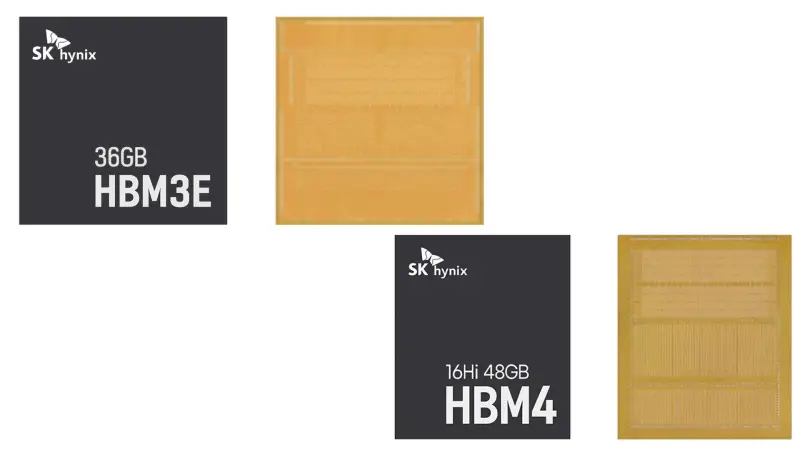
One focus is a period of production cuts from October 2022 through April 2023. The plaintiffs describe the reductions as simultaneous, followed by a shift toward high-bandwidth memory (HBM). They argue that moving production attention toward HBM while limiting conventional DRAM output reduced supply in a market already under pressure.
The complaint also points to the manufacturers’ plans to wind down DDR4 production, announced within a three-month period. The plaintiffs say the companies did not expand DRAM capacity despite unusually high prices, which they characterize as a powerful signal that buyers wanted more supply. Their argument treats the timing and similarity of the decisions as evidence that merits further examination.
Other claims concern tighter customer screening during the shortage and manufacturers’ reluctance to sign long-term DRAM contracts. The plaintiffs also cite Micron’s decision to close Crucial, its consumer memory brand, and public forecasts that the shortage would persist. These actions could affect which customers receive memory and how much visibility buyers have into future availability. On their own, however, they do not establish an agreement among the three companies.
Competing explanations
The manufacturers say the decisions were independent responses to the same market conditions. In a concentrated industry, they argue, similar conduct can arise without coordination: companies face comparable demand, production constraints and incentives to protect revenue. They describe the actions as consistent with each company’s own interests.
That explanation is central to what comes next. A parallel shift in production or product priorities can be consistent with ordinary competition, but the plaintiffs contend that the timing and combination of decisions point to something more. The case will require both sides to substantiate those competing accounts with evidence. At this stage, the judge has not decided whether the alleged coordination occurred.
The complaint also refers to earlier price-fixing scandals involving the companies. That history is part of the plaintiffs’ case, but the current allegations must still be assessed on their own evidence. The judge’s decision allows that assessment to continue; it does not resolve the claims or establish liability.
What comes next
The companies have until December 7 to respond to the original complaint. A case management conference is scheduled for January 2027 to set administrative matters. Those steps will shape how the dispute proceeds, but they are not a finding on whether the manufacturers’ actions were coordinated.
For memory buyers and the wider hardware market, the lawsuit raises a practical question that remains unanswered: whether recent supply limits and production shifts reflect independent responses to demand or coordinated conduct. The price surge gives that question commercial weight, while the court’s ruling keeps the factual inquiry open. The next meaningful developments will come from the parties’ evidence and arguments, not from the dismissal decision alone.