Musk Signs Petition Calling for Jensen Huang’s Return to Nvidia
- Cargo
- Machine Learning
- Shipped
- Shipper
- [email protected] (Jowi Morales)
- Readers
- 660
Musk says he signed a petition for Huang’s return as Nvidia faces conflicting claims about the letter and a leadership transition.
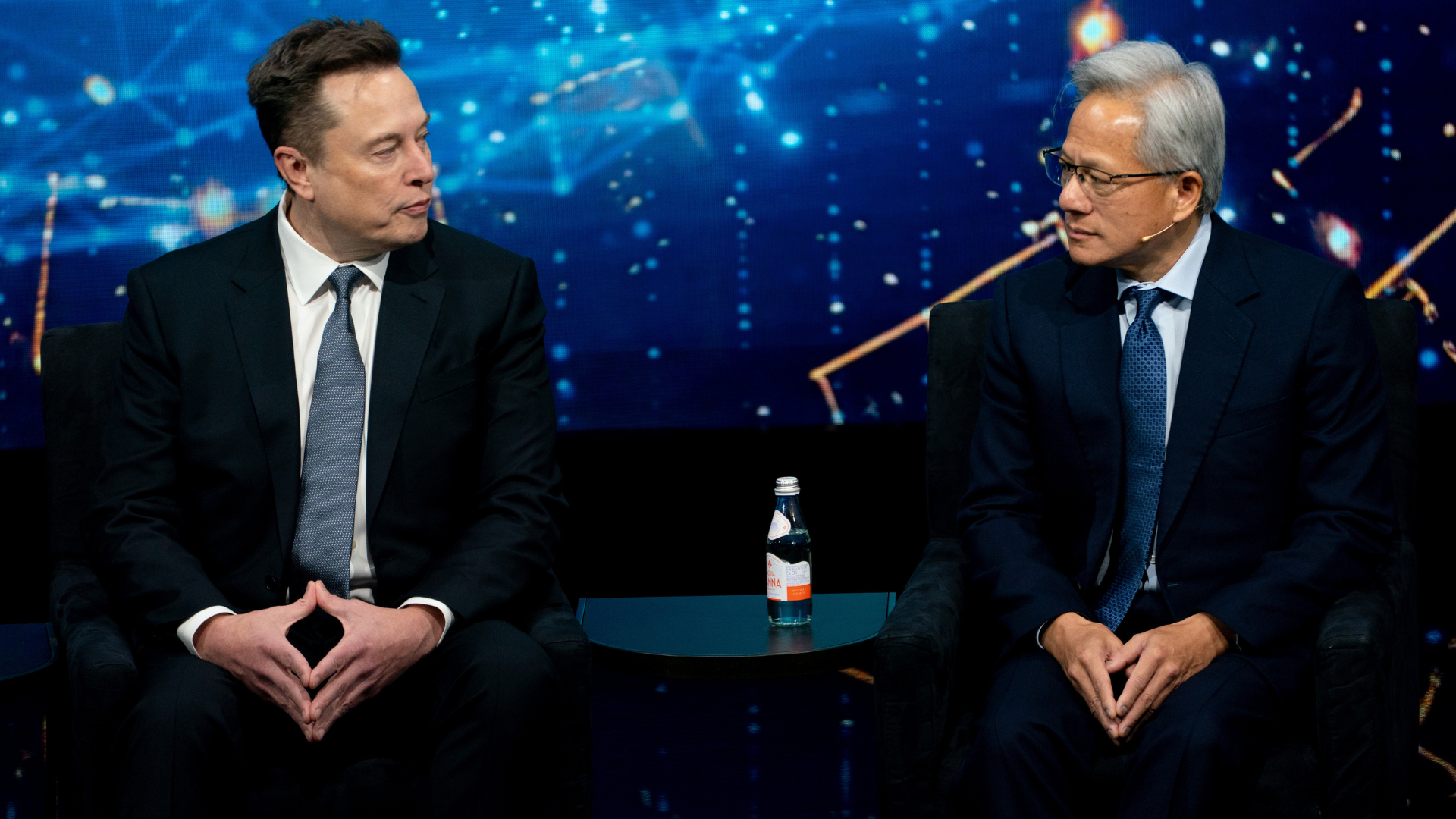
Elon Musk’s support for Jensen Huang’s return puts a public spotlight on Nvidia’s leadership dispute, but it doesn’t establish who organized the petition or whether its claimed supporters actually signed it. Musk said on X that he had signed a petition calling for Huang’s reinstatement. The precise petition he meant is unclear.
One public petition, called “Stand with Jensen,” had gathered more than 130,000 signatures at the time of writing. A separate figure cited for a letter circulating online was more than 91,000. The public petition lists prominent names said to include Epic Games CEO Tim Sweeney, shareholders, business partners, and current and former Nvidia employees. Those names have not been verified, so the signature totals should be read as counts of online submissions, not as confirmed endorsements.
The distinction matters because a second letter has been described as circulating inside Nvidia. Bryan Catanzaro, the company’s vice president for applied deep learning, said that letter was fabricated and falsely claimed his involvement. He added that he would not sign it even if it were real. Catanzaro said he was grieving Huang’s departure while supporting the company’s board and Colette Kress, whom he called an extraordinary leader.
Kress, Nvidia’s chief financial officer, has taken over as interim CEO while the company searches for a permanent replacement. Catanzaro’s comments offer a view of the split in reactions: sadness over losing a long-serving leader can sit alongside support for the people handling the transition. They also underline why a petition’s apparent reach can’t, on its own, be treated as a measure of employee opinion.
A rapid exit after a series of allegations
Huang’s departure followed a compressed sequence of damaging reports. First came claims that Alice Huang, an executive at Megaspeed and someone described as close to Jensen Huang, had passed information to Chinese intelligence. Nvidia initially rejected that account and characterized Megaspeed as one of many regional cloud customers. The company said meetings with customer executives were a normal part of the CEO’s work.
Just over a week later, further reports alleged that Jensen Huang had a romantic relationship with Alice Huang. The source article says he later acknowledged the relationship in a letter to staff. Nvidia’s board then formed an independent committee to investigate. A second alleged relationship, this time with an Nvidia executive, also surfaced as the episode widened and rumors grew that Huang could be removed.
These accounts describe allegations and inquiries, not a single established explanation for Huang’s departure. The timing has fueled competing interpretations: supporters argue he was removed without meaningful due process, while the company faces questions about its internal review and leadership choices. A public letter backing Huang says suspicion or association alone is not enough to end his leadership and calls for an inquiry to establish the facts. That is the petition’s position, rather than a verified account of how the company reached its decision.
Transition questions remain open
Musk had previously said it would be an honor to hire Huang. Nvidia announced Huang’s resignation only hours after that post, adding to the sense of a sudden change. The sequence doesn’t establish a connection between Musk’s remarks and the company’s decision, but it has made his later petition endorsement especially visible.
Reports say thousands of Nvidia employees have called for Huang’s return on an internal forum. That reported response suggests his standing among some colleagues remains strong, though the size and representativeness of the group are difficult to assess from public accounts. Nor does an online petition show whether supporters agree on the reasons for his departure or on what should happen next.
The leadership search has reportedly included Arm CEO Rene Haas and Apple chief hardware officer Johny Srouji. Kress faces the immediate task of running Nvidia through the transition, including presenting the company’s third-quarter results on November 17 as interim CEO for the first time. For investors, customers, and staff, the practical question is how the change affects Nvidia’s operations and decisions during a period of intense demand for AI hardware. The available details do not answer that yet.
Huang’s long tenure and prominent role make his replacement a difficult assignment, but a petition can’t settle the dispute over his exit. Its signature totals remain unverified, Catanzaro disputes a separate letter’s authenticity, and the company’s search is still underway. The next meaningful signals will be the outcome of that search and any clear account of the review behind Huang’s departure.