NVIDIA Adds Confidential Bare Metal for Secure AI Training and Inference
- Cargo
- Machine Learning
- Shipped
- Shipper
- John Fanelli
- Readers
- 977
NVIDIA adds a bare metal option to its confidential computing stack, giving model builders more control over sensitive workloads across supported infrastructure.
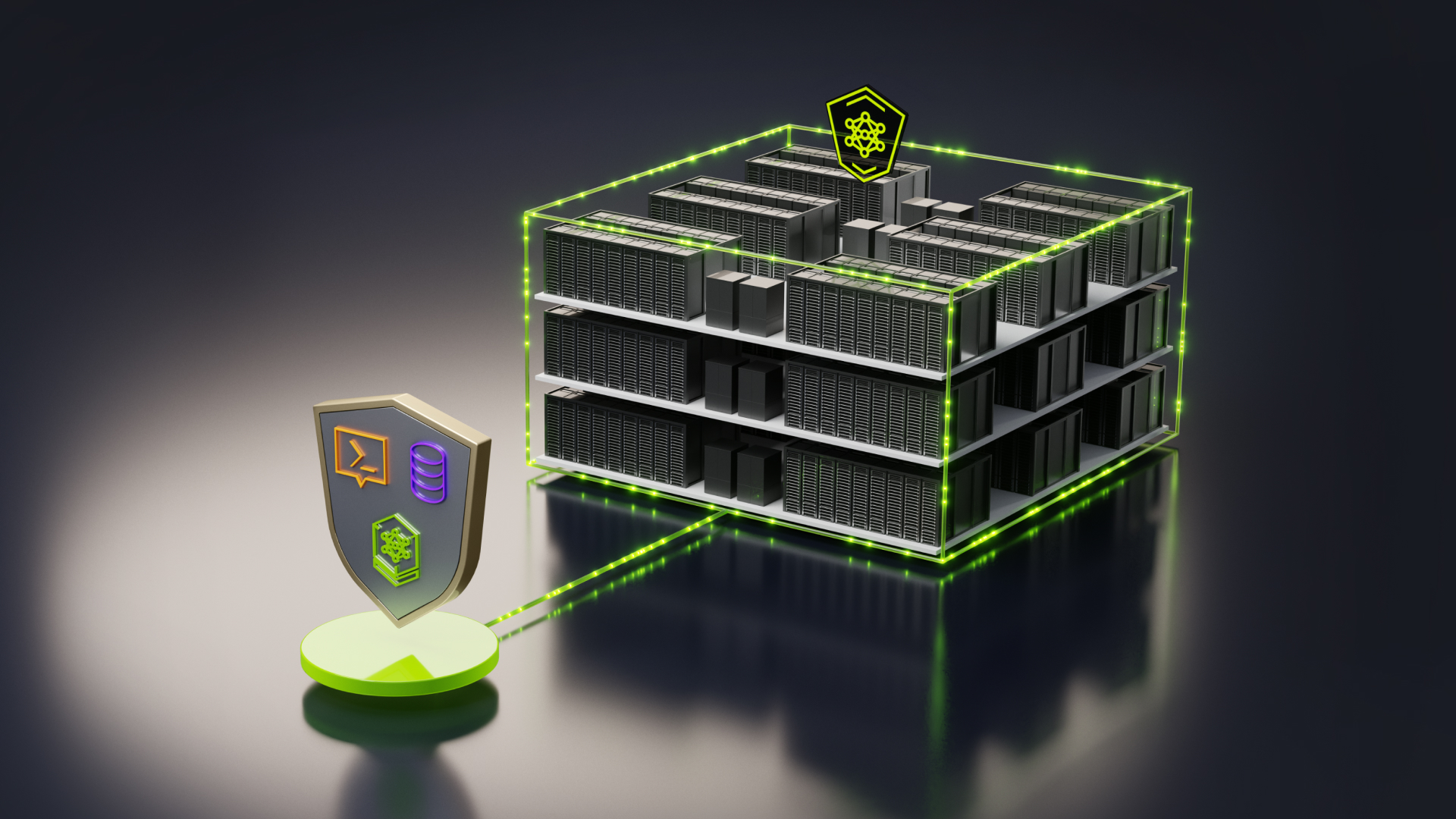
NVIDIA is adding a bare metal deployment option to its confidential computing portfolio, extending hardware rooted protection to model builders that need dedicated infrastructure for sensitive training and inference. The change gives organizations a way to run their own host and platform software on third party infrastructure while using NVIDIA accelerated computing systems to process models and data.
The new option, Confidential Bare Metal, sits alongside NVIDIA’s existing support for containers and virtual machines. That gives infrastructure teams three deployment models to consider: bare metal for workloads that need direct control of the software stack, containers for Kubernetes environments, and virtual machines for virtualized systems. The practical choice depends on which parts of the infrastructure an organization needs to operate and which parties it needs to trust.
NVIDIA describes Confidential Computing as a way to protect models and data during execution through hardware rooted isolation and cryptographic attestation. Its newly introduced platform controls are designed to protect data in transit, measure platform integrity and enforce access restrictions at the hardware level. Together, these controls aim to extend protections beyond stored data and network traffic to information being processed in memory and across system interconnects.
Dedicated infrastructure with hardware protections
Confidential Bare Metal targets model builders that want to use third party cloud, neocloud or enterprise infrastructure but retain control of a bespoke software stack. That stack can include host and platform infrastructure software, areas that organizations may need to configure themselves to meet operational requirements or align with their own trust boundaries.
Bare metal gives teams a dedicated machine environment without a virtualization layer between their software and the host. NVIDIA’s approach pairs that deployment model with hardware protections intended to restrict access to the workload and provide evidence about the platform’s state. Attestation can help a workload check that it is running on an expected system before sensitive information is loaded. The source material does not specify the exact attestation flow, security guarantees, or performance cost, so teams will need implementation details to assess those aspects.
This model may appeal to builders that need greater infrastructure control than a managed container environment offers, while still drawing on capacity operated by an external provider. That does not remove the need to evaluate the provider, software configuration, and operational processes. Hardware isolation addresses particular access paths; it does not, by itself, establish that every part of a deployment is secure.
Provider support and model builder plans
Cohere plans to integrate Confidential Bare Metal into Cohere Model Vault. The company says it will use NVIDIA Confidential Computing trusted execution environments to extend hardware rooted security to the GPU, protecting models and data in memory and across interconnects while workloads run.
“Enterprises trust Cohere to provide a secure and confidential platform for inference,” said Phil Blunsom, Cohere’s chief technology officer. He said the integration is intended to protect customer data during GPU execution, including while it is in memory and moving across interconnects.
Google Cloud is extending Confidential Bare Metal support to A4X Max instances powered by NVIDIA GB300 NVL72 systems. The offering combines non virtualized NVIDIA accelerated computing with cryptographic protection for training data and model intellectual property. Google Cloud distinguished engineer and AI infrastructure security lead Andrés Lagar-Cavilla described the A4X instances as hardware isolated environments with end to end cryptographic protection, and said they are designed to preserve user data privacy and protect model IP while providing serving performance.
These are distinct provider plans and product configurations. The material names the systems and intended protections, but does not provide benchmark results, pricing, availability dates, or comparisons with conventional bare metal instances. Those details will matter to teams deciding whether the additional security controls fit their workload and operating budget.
Support spans more NVIDIA systems
NVIDIA says Confidential Computing support now covers Grace Blackwell NVL72 rack scale systems, as well as x86 based HGX Rubin NVL8 and DGX Rubin NVL8 systems. It is also expanding across Grace Blackwell and Rubin platforms, with NVIDIA DSX OS set to support the available confidential computing modes.
The company positions DSX OS as a software foundation for cloud providers building AI factories that can run confidential workloads. For infrastructure operators, supporting multiple deployment models across a shared software foundation could make it easier to offer different security configurations. The practical value will depend on how the modes are implemented and managed across systems, including how operators handle configuration, monitoring and recovery.
Named infrastructure providers supporting NVIDIA Confidential Computing deployments include CoreWeave, Firmus, GMI Cloud, Google Cloud, IREN, Lambda, Microsoft Azure Infrastructure, Nebius, Nscale and Vultr. NVIDIA lists Cisco, Dell Technologies, HPE, Lenovo, Supermicro and Bull as systems partners supporting the capabilities through NVIDIA-Certified Systems.
What teams should evaluate
The expanded portfolio gives model builders more ways to match infrastructure to their control requirements. A team that needs to manage host software may consider bare metal; one already operating Kubernetes may prefer confidential containers; and a virtualized environment may fit confidential virtual machines. A common security architecture across these choices could simplify planning, though it does not make their operational responsibilities identical.
Before adopting the bare metal option, teams will need to examine which components are covered by hardware isolation, how attestation works, what provider responsibilities remain, and whether their software stack is supported. They should also compare serving performance and training behavior with their own workloads, since no performance figures are provided here. The next useful signal will be implementation detail from providers and model builders showing how these protections behave in production and what they cost to operate.


